

Just turn the tap: Meet the Minnesotans who keep your water running
For most Minnesotans, our water is ready when we need it. We reach for the faucet and turn on the tap. We trust it’s clean and safe to use for drinking, cooking, bathing, and washing our clothes. That requires a network of smart, dedicated people in every corner of the state who take the worry out of our water.
Passing the tests
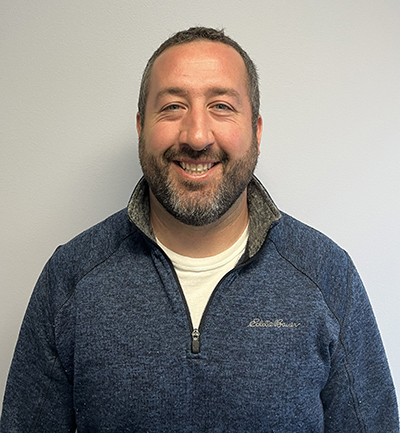
“A lot of people don’t understand where their water comes from, and how much work goes into getting quality water to them,” said Eric Weller, a district engineer for the Minnesota Department of Health (MDH). He works with cities, utilities, and other water systems, like housing developments.
Weller is a civil engineer who previously worked in the private sector. He lives in northwest Minnesota and spends his weeks traveling around the region. He completes “sanitary surveys” where he looks at wells, walks through treatment plants, and collects water samples to make sure systems are working correctly and removing harmful contaminants.
A lot of people don’t understand where their water comes from, and how much work goes into getting quality water to them.
Eric Weller, Minnesota Department of Health district engineer
“The amount of testing we do on everyone’s water is pretty remarkable,” he said.
Another big part of the job is answering questions from water operators—the people managing local water systems. In Minnesota, operators must receive certification by MDH. Larger cities have positions dedicated to drinking water. In smaller towns, water operators also manage sewer systems, maintain parks, plow snow, and fill other roles. They ask Weller for advice about things like chlorine settings and when to flush out a system. He said, “they’re all salt-of-the-earth people” who are fun to work with, do a lot of work, and really care about what they do.
Weller also noted communities invest a lot and systems are expensive. He tries to be a reasonable and trusted partner with necessary updates or fixes. “What I’ve enjoyed is helping systems get the most bang for their buck,” he said.
Making big investments
In southwest Minnesota, Westbrook Public Utilities supplies water for about 750 residents. They also donate water to the local swimming pool and fire department.
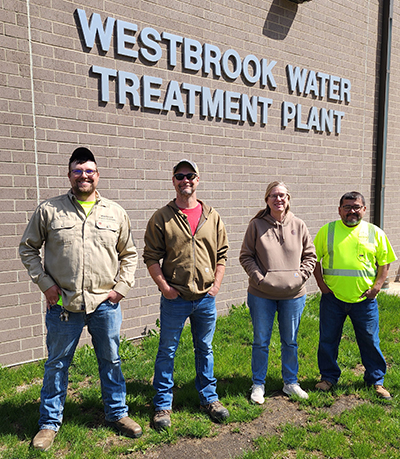
Dan Joel is the Westbrook Public Utilities superintendent. He has a team of one office manager, Kelly Beaty, and two apprentice linemen, Reed Bakken and Rene Celedon, who are training to work on power systems. Joel runs electricity, natural gas, and water for the city.
“We’re linemen first; we just get stuck with water,” Joel joked.
He described a complex water system where almost everything is underground 6 to 8 feet, work is usually outside in mud and cold, and they often uncover problems with aging infrastructure. But he likes being hands-on and seeing things get done.
The City of Westbrook considered whether to rehab or build new when their water treatment system needed help. The water filter was from 1987, and the building was old. “A lot of these small cities, especially when it comes to funding, do what we can afford,” Joel said.
Westbrook’s new water treatment plant cost $7.5 million and was four years in the making. “Our first time going through a project that big, there were a lot of people involved, and it wouldn’t have happened without all of them,” Joel said.
The big investment is paying off. People notice the difference. The new treatment plant addresses nitrite and minerals that can cause taste and color issues. Joel now gets compliments about water taste and softness. People also comment about small things, like not needing to use as much shampoo or laundry detergent.
Our first time going through a project that big, there were a lot of people involved, and it wouldn’t have happened without all of them.
Dan Joel, Westbrook Public Utilities superintendent
After a successful project, Joel still thinks a lot about water. Westbrook drills their own wells to supply the plant. He worries about changes to the aquifers—places deep underground that collect water and carry it into the wells. It also takes a lot of electricity to pump water up 600 feet and push it through the system.
“You try to be a good consumer,” Joel said, and he noted it comes down to daily maintenance, checking your chemistry, and dealing with emergencies. “It’s a big game. You just keep playing it.”
Doing our part
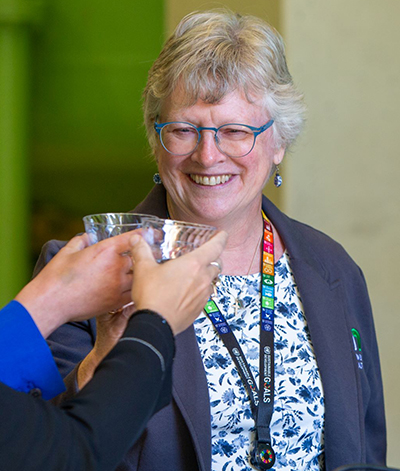
Tannie Eshenaur spent over a decade working on drinking water in Ethiopia. She dug wells, capped springs, and educated local people about their water. When she moved back to the U.S., she didn’t think drinking water would need a lot of attention. But she soon realized the need to protect it.
She has worked at MDH for 25 years and currently manages the agency’s Water Policy Center. She works on Minnesota’s Drinking Water Action Plan with other state, local, and federal agencies as well as organizations and communities.
“Our drinking water system is invisible, but it is not invincible,” Eshenaur said. “We have safe drinking water today because 50-plus years ago, in 1974, the people who came before me built a strong system, through legislation, with states and well users.”
She said since then, the world has changed. Science has improved, and we know more about chemicals and dangers found in things we use every day.
Our drinking water system is invisible, but it is not invincible.
Tannie Eshenaur, Minnesota Department of Health Water Policy Center manager
Eshenaur said we all have a role to keep Minnesota’s drinking water safe in the future. It starts by having a better understanding of the effect of our daily actions. For example, at home we can fix leaky faucets, use biodegradable soaps and lotions, and not flush leftover medicines, paint, or chemicals down the sink or toilet. In yards, we can use less fertilizers and pesticides and reduce watering to prevent runoff.
Eshenaur said Minnesota is lucky to have the Clean Water, Land and Legacy Amendment, which other states envy. It supports efforts to protect communities’ sources of drinking water and prevent them from contamination. There is also funding to do more outreach and testing for private wells, which can be expensive to maintain.
“We don’t expect a private well owner to be a water operator,” Eshenaur said. “That’s a heavy burden.” MDH, local public health, Tribal health, Soil and Water Conservation Districts and others are trying to make testing easier. They also want owners to know help is available if those tests show any issues.
Eshenaur said innovations and partnerships help make sure all people across the state — whether you live in the metro area or Greater Minnesota, in a large city or small town, or on land with a private well — can have safe, reliable drinking water.
“We cannot take it for granted,” she said.
Published May 6, 2026