
Transforming Minnesota's Public Health System
- Home: System Transformation
- About This Work
- Framework of Foundational Responsibilities
- Definitions, Criteria, and Standards for Fulfillment
- Joint Leadership Team
- Minn. Infrastructure Fund and Local Innovation Projects
- Governance Groups and Communities of Practice
- Data Modernization
- Regional Data Models
- Tribal Public Health Capacity and Infrastructure
- FPHR Grant: Funding for Foundational Responsibilities
- Reports, Fact Sheets, Resources
- News & Blog: Public Health System Transformation Update
- Message Toolkit
Related Sites
Contact Info
Good public health requires data and partnership
Public Health System Transformation Update Newsletter
September 2025 | View all system transformation newsletters
Ask any public health professional to name a few of the things they rely on every day to help make Minnesotans their healthiest, and most of them will include two things at the top their list: data and partnership.
Data and partnership make public health happen
Every day, public health workers analyze data to understand population trends in disease and death. And every day, public health workers cooperate with a vast network of people—we work in partnership to help collect, understand, and share valid, reliable data that shows the truth about our communities’ health needs.
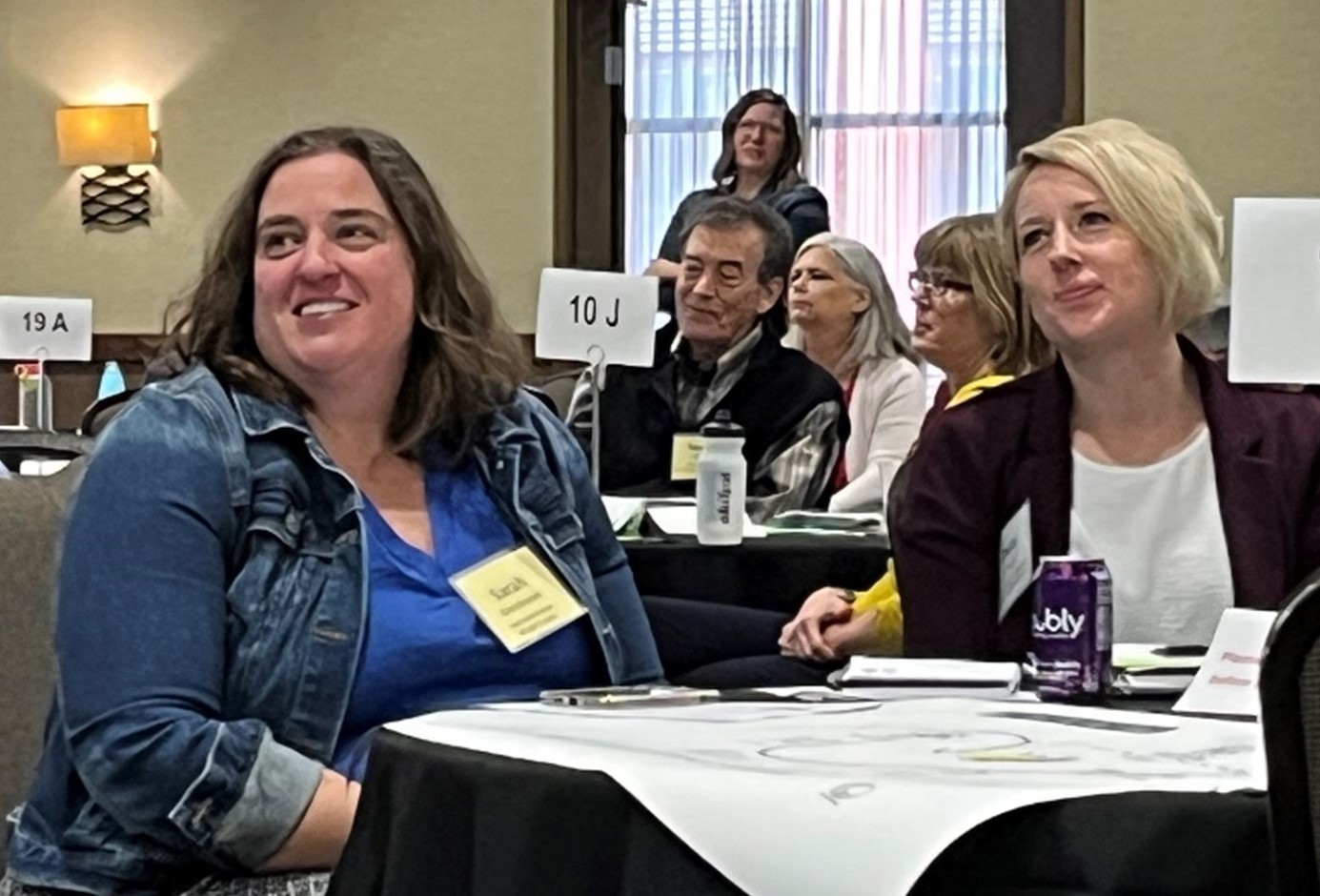
Community health services administrators discuss change management at the 2024 SCHSAC retreat. Photo credit: MDH.
In public health, we need good data to make sure we’re partnering on the right interventions at the right time, to help create the conditions for all Minnesotans to be their healthiest, no matter who they are or where they live. And we don’t collect that data on our own—we cooperate with people and organizations in our communities to make sure we’re collecting the right data in the right way, so the data best reflects community needs.
(John Snow? He didn’t just famously map out cholera cases around the Broad Street pump. To get the data in the first place, he tag-teamed with local priest Henry Whitehead to interview people living in the neighborhood about their symptoms and sickness, and used THAT data to help populate his map. Public health and faith leaders: the original population health team.)
Local public health needs more capacity to enact data-driven decisions
However, Minnesota’s local public health departments have reported for years that they’re less able to collect, analyze, and share the data they need to enact solid public health interventions if they serve small populations, and less likely to employ epidemiologists if they’re not in the Twin Cities Metro Area (data from years of performance measurement shows this, including from the 2023 assessment of the capacity our system has to do foundational work and the cost associated with it).
Regional data models can help fill the gap
One solution? Regional models to collect, use, and share local population health data.
Every Minnesotan should have access to quality public health regardless of the size of their community or the location of their public health department. Every public health department needs access to timely, reliable population health data to best serve all of their communities.
Keep reading this month’s newsletter to learn more about how and when Minnesota’s regional data models can grow and sustain good public health through data and partnership, what’s in it for you, and how to learn more about timeline and logistics.
- Regional data models: Mending Minnesota’s uneven patchwork of data capacity
- Walk the timeline from innovation to regional data models
- Regional data models: What’s in it for me?
- Seven new local innovation projects kick off
- Innovation, data, and partnership go hand in hand in hand