
Transforming Minnesota's Public Health System
- Home: System Transformation
- About This Work
- Framework of Foundational Responsibilities
- Definitions, Criteria, and Standards for Fulfillment
- Joint Leadership Team
- Minn. Infrastructure Fund and Local Innovation Projects
- Governance Groups and Communities of Practice
- Data Modernization
- Regional Data Models
- Tribal Public Health Capacity and Infrastructure
- FPHR Grant: Funding for Foundational Responsibilities
- Reports, Fact Sheets, Resources
- News & Blog: Public Health System Transformation Update
- Message Toolkit
Related Sites
Contact Info
Building the Future, One Relationship at a Time
Q&A with Liz Auch, Director of Countryside Public Health and Member of the SCHSAC Foundational Public Health Responsibilities Workgroup
Public Health System Transformation Update
Feb. 25, 2026 | View all system transformation newsletters
Liz Auch is the kind of leader and partner you’re glad to have on your side—she’s fearless and frank, savvy and pragmatic. When she stands to speak at a meeting, her colleagues smile because they know they’re going to hear the truth—sometimes welcome, sometimes painful, often humorous, and always in a way that invites cooperation.
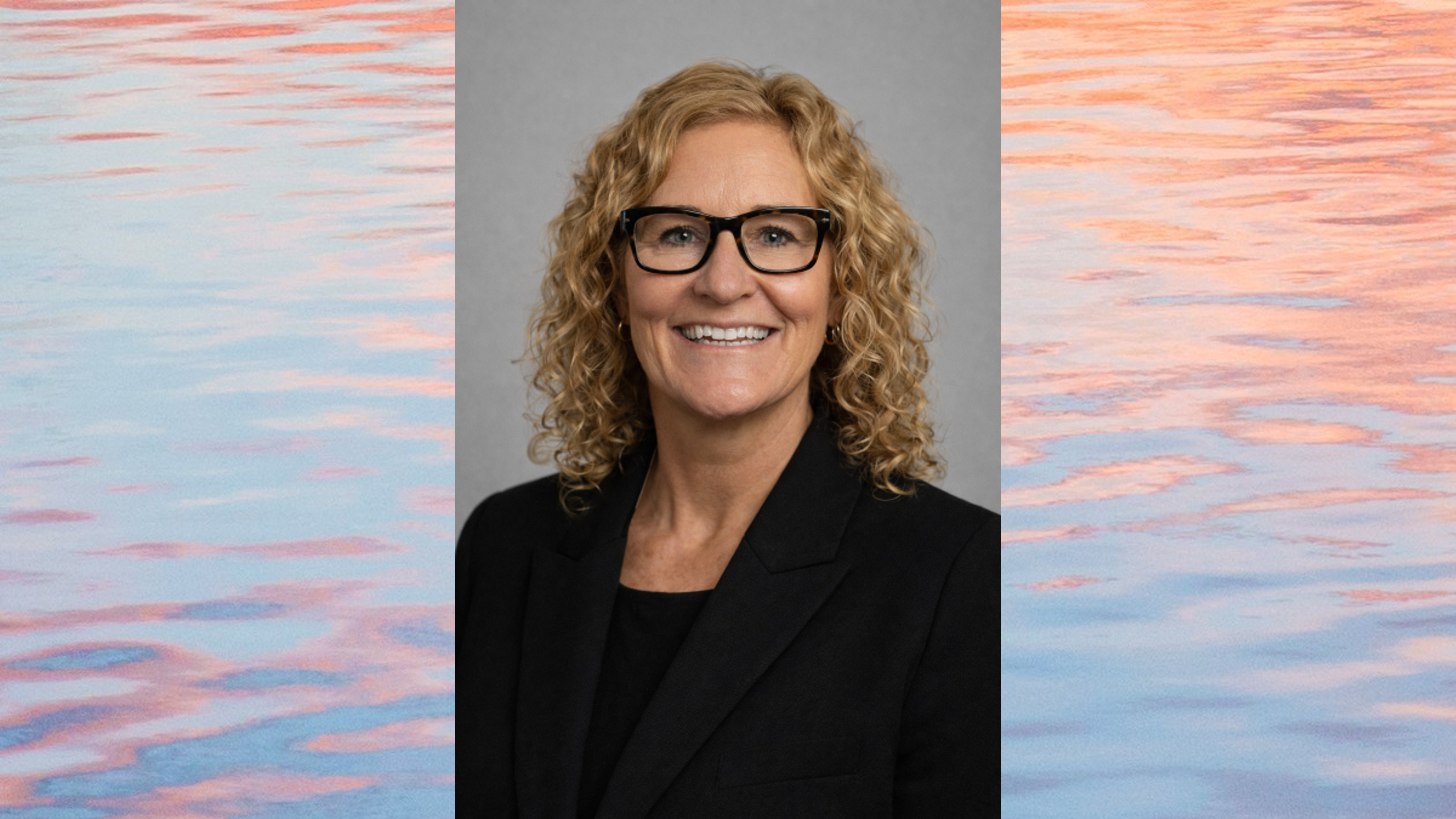
Liz Auch of Countryside Public Health. Photo credit: Submitted.
Another side of Liz, though, is one that her staff likely know well: One whose leadership in public health is hands-on, relational, and relentlessly practical. Liz influences through partnership and not position, and helps change happen through engagement, trust, and shared direction, not hierarchy. As Liz approaches retirement, she’s ready to leave a future-focused legacy, moving alongside her staff and board to make sure public health in Minnesota is actionable and sustainable.
For over 25 years, Liz has served as Director and Community Health Services Administrator of Countryside Public Health, an integrated, five-county public health department in southwest Minnesota. She also serves on the board of the National Association of County and City Health Officials (NACCHO) as an at-large director for small jurisdictions. Later this month, she’ll serve as a panelist for Johns Hopkins’ Nexus Convening Series on Innovations in Opioid Settlement Fund Spending.
Liz called in from her Benson office in Swift County. This interview has been edited for clarity and length.
A typical workday
What's your workday like today?
Each of our counties has a team meeting every other month. Today my Swift [County] Office had their team meeting, so I attended that, and then I met with staff for annual evaluations.
After that, I was working with my data person on a time study, looking at different assignments and employees’ staff time to determine the best fit for an employee.
Is that a typical day for you?
On a typical day, I’d be traveling and hitting my offices during the week to see how things are going.
I’ll also get a little bit of time in the mornings to look at email and see what is on my agenda—that hasn’t happened today, but that is part of a typical day for me.
I also check in with my assistant administrators probably once or twice a day, on work plans, activities, what's happening.
And then usually there's some type of meeting—either a state meeting, a regional meeting, or a local meeting that I’m attending, throughout the week.
Partnership through workgroups
Between the big workload, you keep signing on to serve on SCHSAC workgroups. Why is that? What power do you see in them?
Well, I think being engaged at a local level with your state partners and especially SCHSAC [the State Community Health Services Advisory Committee]—where it's commissioners and MDH staff [alongside local public health]—anytime you can have that engagement, I think there's growth. There’s growth for me personally as a leader, and there's growth for Countryside as an organization.
SCHSAC really brings value to local public health—different committees and workgroups really do bring about change, and SCHSAC members pay attention to what [the workgroups] do. They set a direction at a state level and even at a local level for [things like] emergency preparedness and funding formulas and performance measurement, and having that voice at the local level is important.
I don't think that kind of state and local partnership exists [in other places across the nation]. I sit on the National Association of City and County Health Officials board and—that state and local partnership, you don't hear that happening with other state agencies. I think we are quite blessed with a partnership that we don't even recognize sometimes.
Why did you volunteer for the SCHSAC Foundational Public Health Responsibilities Workgroup, specifically? Why did you think this was going to be important?
Well, selfishly, I really wanted in because I thought it was setting the stage for the future of public health. Like, we are slowly turning the corner to a new way of really looking at public health in Minnesota—we are going to do public health differently. I felt like it was really important to be at the table [to help identify] how public health is going to be.
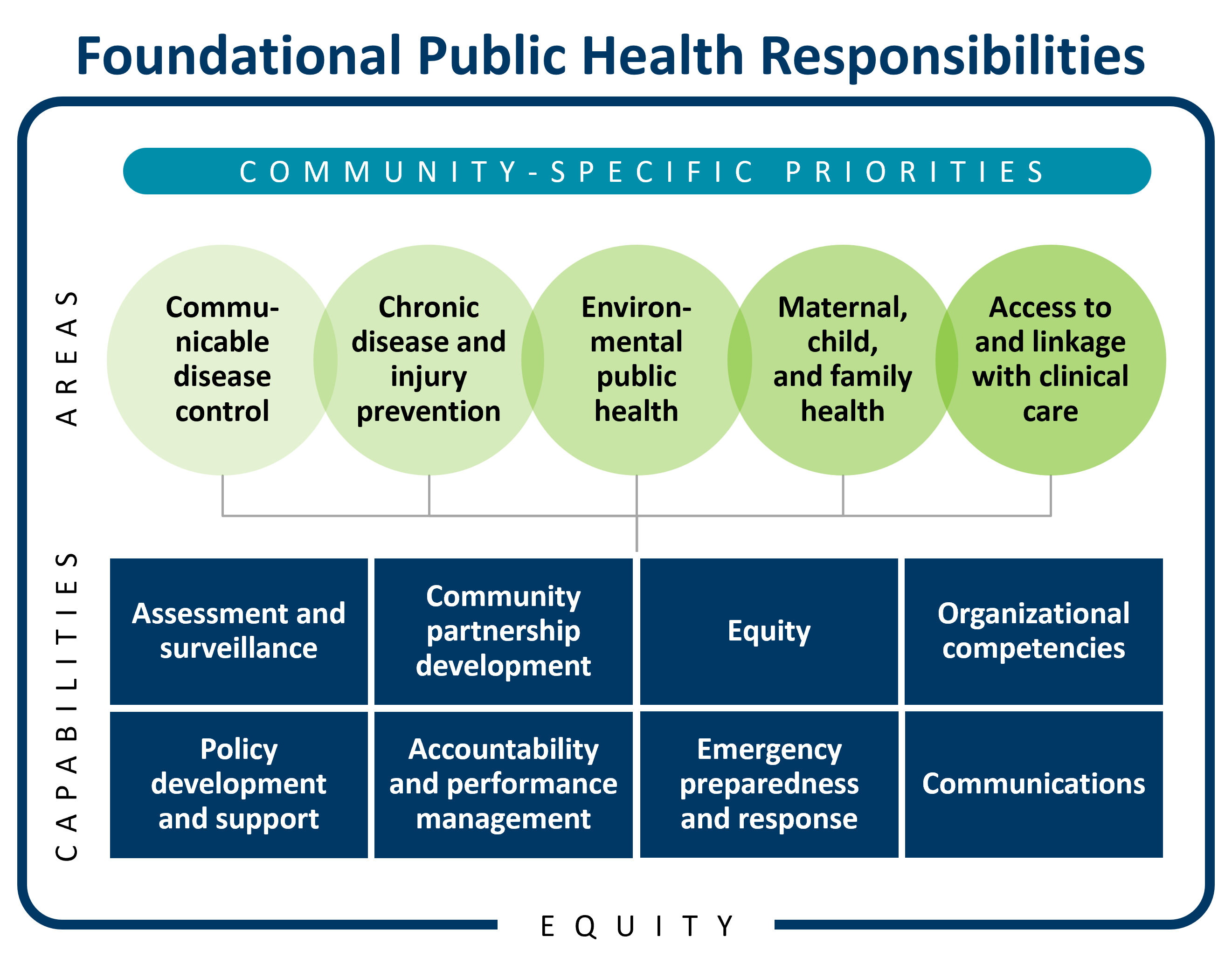
I also really wanted to make sure that my board had an understanding of the foundational capabilities and foundational areas, because I knew that I was leaving within the next two years. I really wanted to make sure that my leadership team and my board had a strong stake in foundational work, and that they didn't go, “Pooh pooh; that doesn't make any sense. That doesn't apply to us!” and instead say “Yup, this is what we need to keep going! We need to be at the table with these ‘eight blue boxes,’” as I call them—those foundational capabilities, those definitions.
I think we're cutting edge in the State of Minnesota, [in] how we're going forward. And I wanted to help be part of that.
And I love that you that you keep referring back to those eight blue boxes. It’s a really quick, concise way to point back to foundational public health capabilities and say, “Hey, this is really important. Remember those eight blue boxes? We're thinking about how to build that capacity.” It's really catchy.
And I know that it's so much more than that [for public health workers]. We met last week with my community health strategist and assistant administrator to look at foundational responsibilities and reporting for next year, and we walked through definitions and had that conversation [to really dig into the responsibilities].
But: When you’re talking to a legislator, how do you say it quick and easy, so that you don't lose them and you don't lose the room? The “eight blue boxes” is a way to catch them quickly. I'm trying to just first grab the room and not lose them before we move on and get more in depth.
Looking forward
Can I pivot? What are you looking forward to in the coming months, after you retire?
Well, first I want to finish strong!
The second thing: I want to really pause and rest. I’ll candidly say that COVID was…. I think Countryside got through COVID really well, but COVID [was hard].
Then I'll maybe reassess. The thing I've told staff is: I just don't want to be a boss anymore! I'm really game to help someone down the road, or to help on a project, or to help someone with an idea… But I want to come in, and help, and leave! I'm sure of that.
But the rest I don't really have mapped out yet.
What will you miss the most about working at Countryside?
The relationships. The people. I’m one of the lucky ones—my board, my staff: the best board, the best staff.
And my communities—I mean, it's been a wonderful ride. It's been wonderful, absolutely wonderful. I'll miss them.
I believe it.
--
Liz Auch is the Director and Community Health Services Administrator for Countryside Public Health. Her favorite place in Minnesota is her deck on an early summer morning, looking out at the lake, and enjoying a good cup of coffee while the loons call to each other.
Read more about Countryside and Liz in the news:
- COVID-19 experience strengthens Countryside Public Health for challenges ahead (West Central Tribune: April 23, 2025)
- Countryside’s Elizabeth Auch given public health leadership award (Swift County Monitor-News: Dec. 10, 2024)