
2026 Public Health Laboratory Newsroom
Rabies Testing on the Rise at the Minnesota Public Health Laboratory
If an animal is suspected of having rabies in Minnesota, it is sent first to the University of Minnesota Veterinary Diagnostic Laboratory in Saint Paul. There scientists remove the animal’s brainstem and send it to the Minnesota Public Health Laboratory. This lab, a division of the Minnesota Department of Health, is the only one in the state to test samples for rabies.
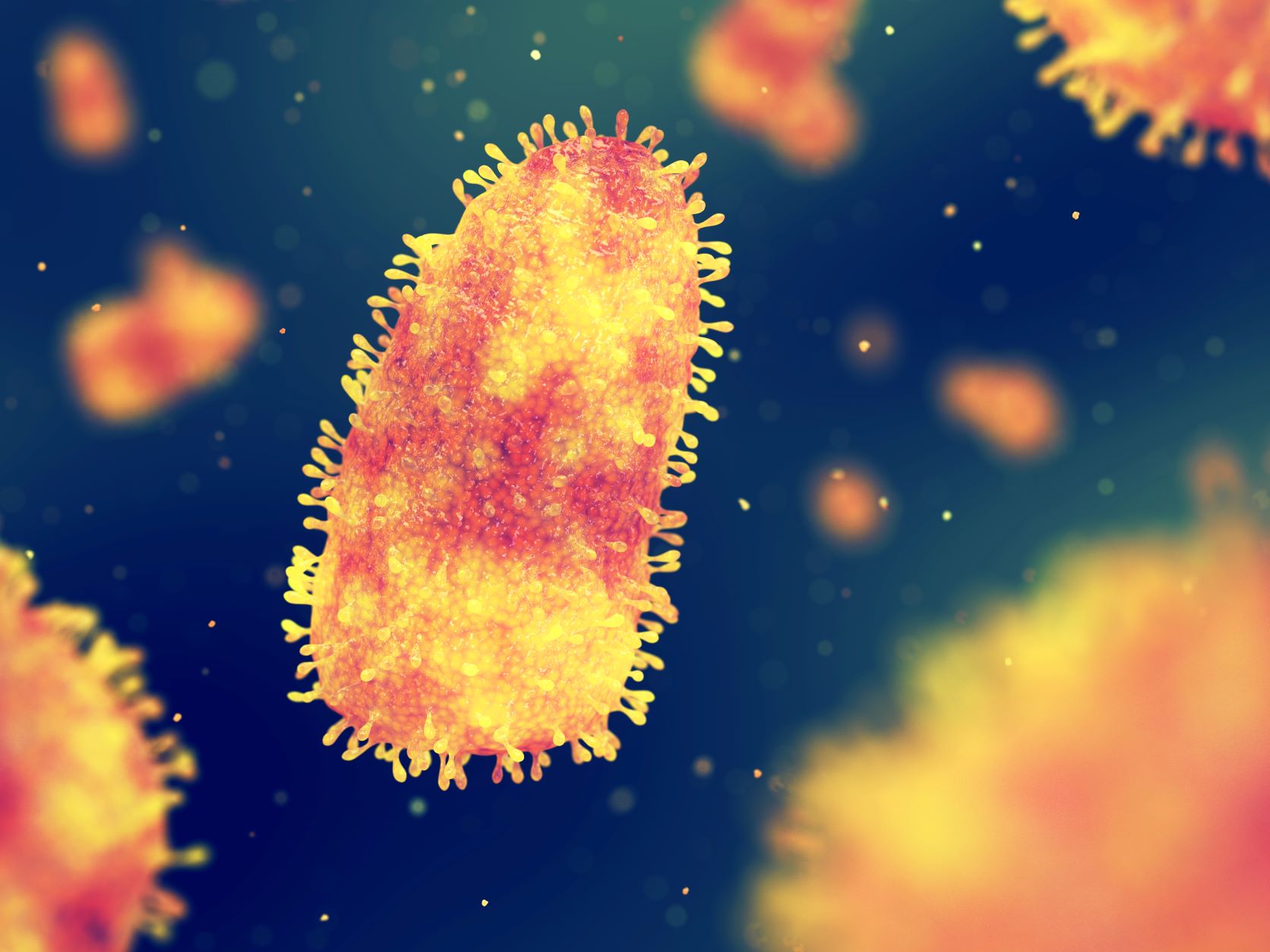 From January through August 2026, the Minnesota Public Health Laboratory received 1,866 samples to test for rabies. Most samples came from Minnesota, but some were sent from other states. This total represents a 16.9% increase from the same period in 2025, when the lab tested 1596 submissions.
Fortunately, this increase in submissions has not indicated a significant increase in rabies infections. The rate of positive tests, in which evidence of the rabies virus was found, was 1% in January through August 2026. This translates to 19 rabid animals detected. The positivity rate from January through August of 2025 was 1.7%.
This increase in submissions for rabies testing is being seen nationwide. The Centers for Disease Control and Prevention reported receiving 17% more rabies-related inquiries in July and August 2026 than in July and August 2025. The report does not mention any accompanying increase in positive cases.
Why the increase in rabies testing submissions?
The Minnesota Public Health Laboratory fulfills just one part of the public health system for keeping rabies under control. While the lab tests samples and reports data, the Infectious Disease Epidemiology, Prevention and Control (IDEPC) Division analyzes the data to monitor rabies in Minnesota. IDEPC works with hospitals, clinics, the CDC, other state health departments, and many other organizations in a One Health approach.
While it is too early to report any conclusions as to why rabies testing submissions increased significantly this year, the epidemiologists of the IDEPC and partner organizations are testing many theories. Apparently, while rabies infections are not on the upswing, people are more readily contacting the proper authorities when they think an animal might have the virus.
Perhaps the increase in rabies submissions was due to public awareness campaigns about what to do about a suspected rabid animal. Perhaps search engines are improving their abilities to bring people to the correct number to call. It is also possible that climate change has led to bats, the primary spreaders of rabies, spending more time near humans.
IDEPC, the Minnesota Public Health Laboratory, the CDC and many other organizations are continually working together to monitor the rabies virus and many other dangerous pathogens. If any infectious disease does begin to spread more rapidly, they will discover it quickly and mobilize a response.
Return to the 2026 Public Health Laboratory Newsroom.