
Resources for Children's Environmental Health
Children are especially vulnerable to environmental hazards because their bodies and brains are still developing. This new resource page brings together practical information to help parents, caregivers, and communities keep kids healthy.
On this page
Asthma | Copper | Food preparation | Food storage | Foodborne contamination and illness | Heat | Indoor pool risks | Lead | Manganese | Mercury | Nitrate | Outdoor water risks | PFAS | Radon | Secondhand smoke and aerosol | Wildfires and air quality
Asthma
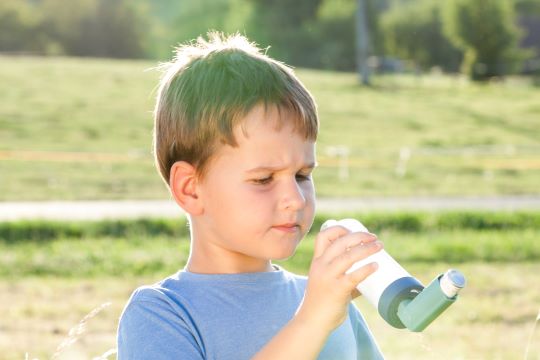
Asthma is a chronic disease of the airways that makes breathing difficult. It can be triggered by pollutants, chemicals, emotions, dust mites, mold, dander, and pests.
How it affects you
Asthma symptoms vary and can flare up anytime, which may include: wheezing, coughing, shortness of breath, and chest tightness or pain.
Action steps
Talk to your health care provider to understand asthma triggers and learn ways to reduce or eliminate exposure to triggers.
Resources
Asthma
Copper

Copper is a metal that occurs naturally and is used to make many products. Copper can get into your drinking water as the water passes through your household plumbing system.
How it affects you
Infants are more sensitive to copper. eating or drinking too much copper can cause headaches, vomiting, diarrhea, stomach cramps, nausea, liver damage, and kidney disease.
Action steps
Let water run for at least 30-60 seconds before using it for drinking or cooking if the water hasn’t been turned on for over six hours, use
cold water for making baby formula, test your water if you have a well.
Resources
Copper in Drinking Water
Food preparation
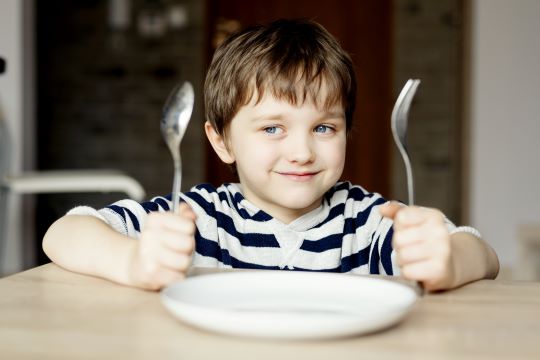
Safe food preparation is important to prevent foodborne illness.
How it affects you
Safe food preparation prevents germs from spreading to foods or around the kitchen and house, kills germs present on foods, and prevents foods from growing more germs. Foodborne illnesses can lead to life-altering and long-term consequences, and even death. You can minimize your and your family’s risk of getting sick from food by following safe food preparation steps.
Action steps
- Wash your hands before preparing food.
- Wash your hands after touching raw meats, raw egg, or raw flour.
- Avoid preparing food for other people if you have vomiting or diarrhea.
- Avoid any juices from meats coming into contact with other foods.
- Do not wash raw meats.
- Use a thermometer to ensure meats have reached safe internal temperatures.
- Store perishable foods and leftovers promptly in a refrigerator.
Resources
Food Safety
Don't Wash Your Chicken
Safe Food Handling | FDA
Food storage

Safe food storage is important to prevent foodborne illness.
How it affects you
Safe food storage helps prevent germs on food from growing and multiplying to harmful levels, and slows the spoiling process. Some foodborne illnesses caused by unsafe food storage can lead to life-altering and long-term consequences, or even death.
Action steps
- Keep refrigerator below 41 degrees Fahrenheit.
- Keep freezer at or below 0 degrees Fahrenheit (foods should be frozen).
- Do not leave refrigerated or frozen foods at room temperature for more than 2 hours.
- Keep perishable items in kids’ lunches cool with ice packs.
- Reheat leftovers to at least 165 degrees Fahrenheit.
Resources
Storing & Preserving: Keeping Food Safe At Home
Foodborne illness
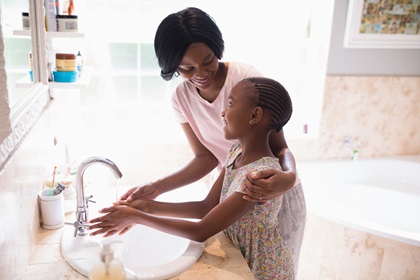
Foodborne illness is caused by consuming food or beverages that are contaminated by disease-causing microbes (pathogens). Of note many foodborne pathogens also can be acquired through recreational or drinking water, from contact with animals or their environment, or through person-to-person spread.
How it affects you
Young children, especially those under 5 years old, are more likely to become seriously sick (diarrhea and/or vomiting, abdominal cramps, nausea, fever, joint/back aches, and fatigue) from foodborne illnesses. Some foodborne illnesses can lead to life-altering and long-term consequences, or death.
Action steps
- Follow the steps for safe “Food preparation” and safe “Food storage” as noted above.
- Wash your hands with soap and water for 20 seconds after using the bathroom or changing diapers. Foodborne illness can also spread from person to person through stool and vomit.
- Do not send children to childcare if they have vomiting or diarrhea - keep them home for 24 hours after recovery.
- Do not bathe children together if one has diarrhea or vomiting.
- Do not eat or drink in live animal areas like barns or petting zoos. Foodborne illness can also spread through animal feces. Wash hands with soap and water for 20 seconds after visiting petting zoos.
Resources
Foodborne Illness
Hand Hygiene
Staying Safe at Petting Zoos and Fairs
Heat

Extreme heat describes weather that is much hotter and/or humid than typical for a place and time of year. Extreme heat is expected to become more common, more severe, and last longer due to climate change.
How it affects you
Bodies have to work harder to maintain a normal temperature during extreme heat. When our bodies struggle to stay cool, we can get sick with heat exhaustion or heat stroke.
Action steps
Follow local weather and news reports, stay hydrated, and stay cool by moving to a shaded area or air-conditioned space.
Resources
Extreme Heat
Indoor pool risks
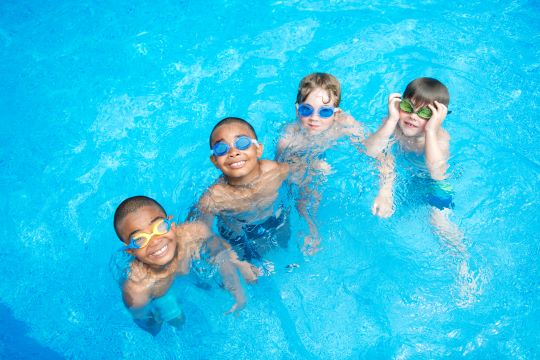
Indoor pools can contain harmful germs, chemicals, and drain covers. These can cause physical and chemical injuries, as well as dangerous illnesses.
How it affects you
Swimming in improperly maintained indoor pools can put children at risk of skin infections, vomiting and diarrhea, and severe injury/death, especially if the pool is poorly maintained.
Action steps
Do not swim in pools with STRONG chlorine smells, cloudy water/water you cannot see the bottom of, foam or scum lines on the water’s edge, a
recent incident of diarrhea, or a loose/missing drain cover. Take kids for
FREQUENT bathroom breaks at the pool, shower with soap and water
before and after entering the water, change diapers in
changing rooms – not poolside.
Resources
Wading Pool Safety for Parents (PDF)
Lead
Lead dust is a main source of exposure in children. Household dust can contain lead from cracked, chipped or peeling lead-based paint and tracked contaminated soil.
How it affects you
Lead exposure in young children can cause learning and behavioral problems.
Action steps
Reduce lead in your home by keeping it as dust-free as possible with regular cleaning. Wash your child’s hands with soap and water before eating, naps, and bedtime.
Resources
Common Sources of Lead
Manganese
Manganese occurs naturally in rocks and soil across the state and is often found in Minnesota ground and surface water.
How it affects you
Children who drink water with high levels of manganese for a long time may have problems with memory, attention, and motor skills. Infants may develop learning and behavior problems if they drink water with too much manganese.
Action steps
If you drink well water, get your water tested.
Resources
Manganese in Drinking Water
Mercury

Mercury is a naturally occurring element found in rocks, soil, water, air and living things. It is also found in some products like skin-lightening creams and fish and seafood.
How it affects you
Too much mercury can cause lasting problems with understanding and learning.
Resources
Mercury
Nitrate
Nitrate is both a naturally occurring compound and has many human-made sources. Nitrate is in some lakes, rivers, and groundwater in Minnesota.
How it affects you
Consuming too much nitrate can affect how blood carries oxygen and cause methemoglobinemia (also known as a blue baby syndrome). Bottle-fed babies under six months old are at the highest risk of getting this illness. Methemoglobinemia can result in serious illness or death.
Action steps
If you have a private well, test for nitrate every other year.
Resources
Nitrate in Drinking Water
Outdoor water risks

Outdoor water can contain a large amount of harmful germs, chemicals, algae blooms, and amoeba. These contaminants are spread by swallowing or having contact with contaminated water.
How it affects you
Outdoor water contaminants can be extremely serious, leading to severe illness or death. Rain can wash contaminants from land into outdoor water bodies, including things like toxic chemicals and animal feces.
Action steps
Do not swim at the beach if you see discharge pipes leading to the water,
after a rain event, or if you see algae bloom. Also do not swallow the water
or swim in warm, shallow water bodies. All of these indicate poor water
quality and are a risk to health. Watch for beach advisory signs before
entering the water – but remember that water conditions can change rapidly.
Resources
Preventing Recreational Water Illnesses (RWIs): Staying Healthy at the Beach and Lake
PFAS
PFAS are a family of human-made chemicals that are extremely stable and do not breakdown in the environment. You can be exposed to PFAS through drinking water or consumer products that contain PFAS.
How it affects you
Exposure to PFAS chemicals are associated with lower birth weights, decreased antibodies in young children, and increased cholesterol in adults.
Action steps
Limit use of consumer products that contain PFAS, follow fish consumption guidance to choose fish low in PFAS, Remove household dust.
Resources
Per- and Polyfluoroalkyl Substances (PFAS)
Radon

Radon is a colorless and odorless gas that comes from the soil and can accumulate in the home.
How it affects you
Radon gas decays into fine particles that are radioactive. When inhaled, these fine particles can damage the lungs. Exposure to radon over a long period of time can lead to lung cancer.
Action steps
All Minnesota homeowners should test their homes for radon to find out how much radon is in your home.
Resources
Radon in Homes
Secondhand smoke and aerosol
Secondhand smoke and aerosol come from the use of commercial tobacco products like cigarettes, cigars, or vapes.
How it affects you
Whether it’s smoke or aerosol, secondhand exposure can lead to asthma attacks or worse symptoms, more colds or respiratory infections, harm to lung development, increased risk for sudden unexpected infant death (SUID), as well as a higher chance of children smoking, vaping, or using other commercial tobacco products later in life.
Action steps
- Make your home, car, and other spaces 100% smoke- and vape-free.
- Ask guests and caregivers not to smoke or vape around you or your kids.
- Teach your children to avoid secondhand smoke and aerosol.
- Be a role model – if you smoke, vape, or use other commercial tobacco products, consider quitting.
Resources
Secondhand Smoke and Aerosol
Wildfires and air quality
Breathing in air pollutants, like ground-level ozone and fine particles (also called PM2.5), can contribute to coughing or itchy eyes and breathing, heart, and lung diseases.
How it affects you
Children are more susceptible to air quality concerns as they breathe in more air relative to their body weight than adults. Look for coughing, wheezing, shortness of breath, and chest tightness as symptoms of air quality concerns, limit activity by idling cars or buses, plan outdoor activities for cool days to avoid ozone pollution.
Action steps
Check your area’s air quality before engaging in any outside activity.
Resources
Air Quality, Climate and Health
Minnesota Outdoor Air Quality Guidance for Schools and Child Care
Air quality and health
Fine particles
Additional resources
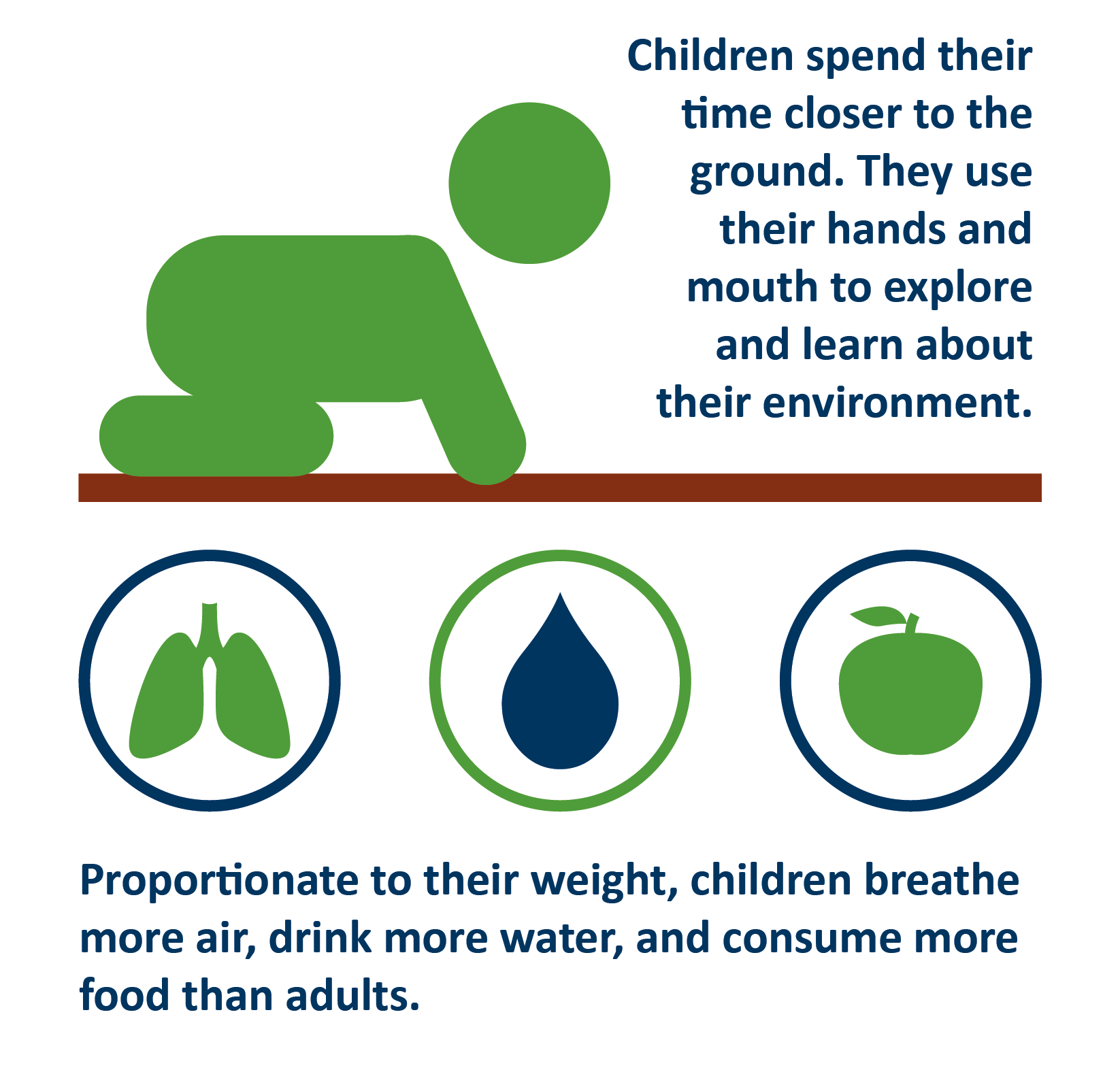
Learn more about Children's Environmental Health at MDH.
Email updates
To get email updates, sign up for news and alerts below.
Contact info
Environmental Surveillance and Assessment (ESA) Section
651-201-4899
health.risk@state.mn.us