
Pathogen Genomics Centers of Excellence
Infectious Disease Projects
Minnesota is one of five states in national initiative
Led by the Public Health Laboratory, the Minnesota Department of Health (MDH) partnered with the University of Minnesota, the Mayo Clinic, and the University of Pennsylvania to be named one of the country’s five Pathogen Genomics Centers of Excellence (PGCoE) by the Centers for Disease Control and Prevention (CDC).
Latest news:
- Minnesota Department of Health scientists, along with colleagues at the University of Minnesota and University of Pennsylvania, developed an interdisciplinary model to investigate how carbapenemase-producing Enterobacterales transmit across human and animal populations. The World Health Organization and Centers for Disease Control and Prevention (CDC) have cited carbapenemase-producing Enterobacterales as being among the most urgent antimicrobial resistance (AR) threats.
Read about more at our PGCoE Publications page.
The PGCoE program aims to improve the ability to detect and respond to future infectious disease threats and emergencies. The Minnesotan contingent is working on the following:
 |  |  |
 |  |  |
 |  |
Here is a list of the above, presented for accessibility purposes:
- Combating RSV with Whole-Genome Sequencing
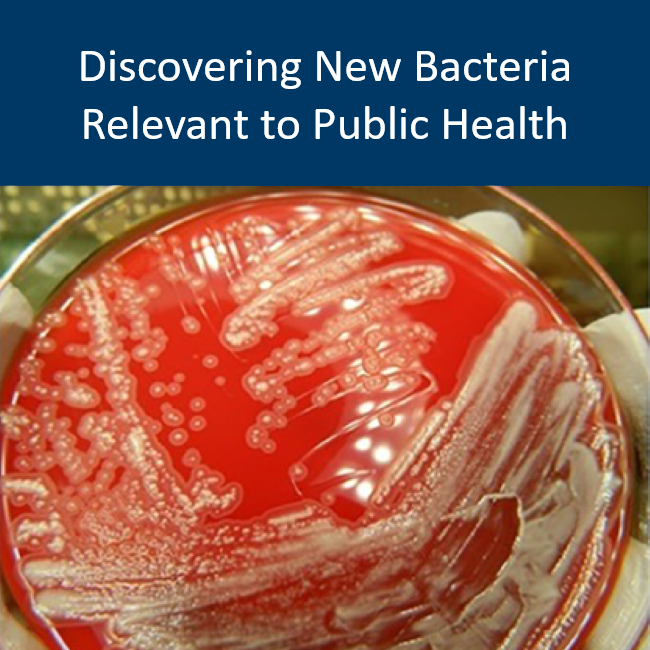
- Discovering New Bacteria Relevant to Public Health
- People, Pets, and Plasmids
- Predicting Salmonella Outbreaks
- Publications from Minnesota PGCoE projects
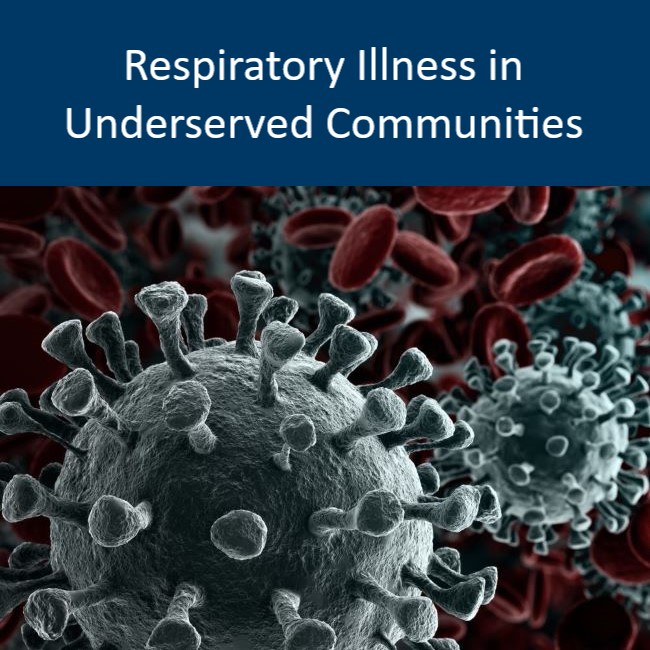
- Respiratory Illness in Underserved Communities
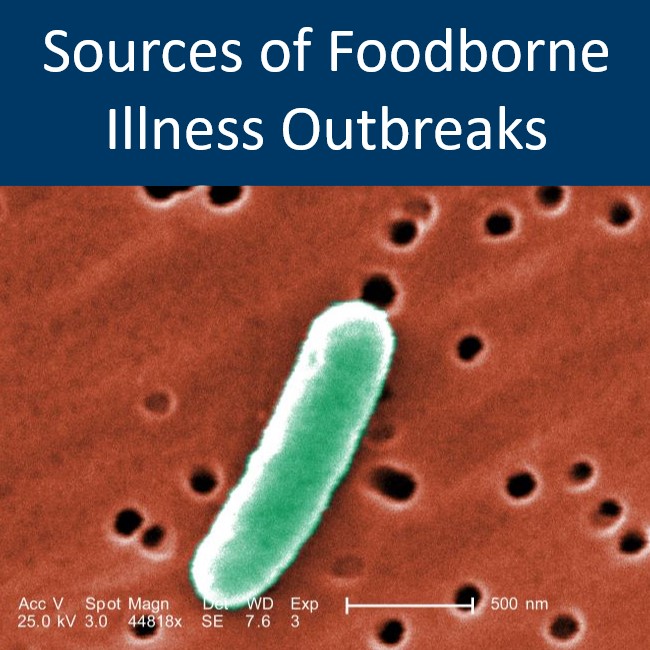
- Sources of Foodborne Illness Outbreaks
- Using COVID-19 Data to Improve Disease Response
Four other states were accepted into the PGCoE network: Georgia, Massachusetts, Virginia, and Washington. The findings and best practices from all PGCoE projects will be publicly available through the CDC. Please contact the Infectious Disease Laboratory with any questions.