
Commercial Tobacco Use
- Commercial Tobacco Use Home
- Data and Reports
- Get Help Quitting
- Prevention and Treatment
- Tobacco and Your Health
Learn More
- Behavioral Health and Commercial Tobacco
- E-cigarettes and Vaping
- Flavored Commercial Tobacco
- Menthol Commercial Tobacco
- Nicotine and Nicotine Dependence
- Nicotine Pouches and Other Emerging Products
- Promoting Quitting and Treatment
- Secondhand Smoke and Aerosol
- Smoke-Free Housing
- Traditional and Sacred Tobacco
Related Topics
Commercial Tobacco Use
- Commercial Tobacco Use Home
- Data and Reports
- Get Help Quitting
- Prevention and Treatment
- Tobacco and Your Health
Learn More
- Behavioral Health and Commercial Tobacco
- E-cigarettes and Vaping
- Flavored Commercial Tobacco
- Menthol Commercial Tobacco
- Nicotine and Nicotine Dependence
- Nicotine Pouches and Other Emerging Products
- Promoting Quitting and Treatment
- Secondhand Smoke and Aerosol
- Smoke-Free Housing
- Traditional and Sacred Tobacco
Related Topics
Contact Info
Commercial Tobacco Use
Tools to Address Vaping in Schools
E-cigarette use, also known as vaping, is the use of battery-powered devices that heat a liquid – typically containing nicotine, flavorings, and other chemicals – into an aerosol that users inhale. Vaping poses significant health risks, especially for youth, as nicotine is highly addictive and can harm brain development as teens grow. Vaping may also worsen mental health, as well as chronic health conditions like asthma, which puts students at risk of increased absenteeism and lower academic performance.
On this page:
Use the WSCC model for prevention
Integrate curriculum and classroom activities
Promote quitting and treatment
Strengthen school policy
Communicate to students, staff, and parents
Use the WSCC model for prevention
The Whole School, Whole Community, Whole Child (WSCC) model is a framework that can be used to prevent and reduce vaping in schools. The model includes ten components of school health that interact to address a child’s physical, social, and emotional development. Addressing multiple components of the WSCC model will improve collaboration between school and community leaders to address the underlying reasons and improve student health and learning.
Learn more: Whole School, Whole Community, Whole Child (WSCC) | Centers for Disease Control and Prevention
Integrate curriculum and classroom activities
The state of Minnesota requires public schools to implement e-cigarette and vaping prevention curriculum for grades 6-8. For high school students, e-cigarette and vaping prevention curriculum is encouraged but not required.
Be aware of industry-sponsored programs
Many cigarette and e-cigarette companies offer their own youth prevention curriculum or programs to schools. Studies show tobacco industry-sponsored youth prevention programs are ineffective and may do more harm than good.
Read more: Evidence Brief: Tobacco Industry Sponsored Youth Prevention Programs in Schools
Include information on sacred tobacco
Traditional or sacred tobacco, also known as Cansasa, Asemaa, or Kinnikinnick by Dakota and Anishinaabe Tribes, are used by American Indian communities in Minnesota for sacred purposes. Sacred tobacco is different from commercial tobacco, which includes products produced by the tobacco industry, such as cigarettes, e-cigarettes, cigars, or chew.
It is important to understand the difference between these types of tobacco and the role commercial tobacco has played in causing death and disease within American Indian communities.
Learn more: Traditional Tobacco and American Indian Communities in Minnesota
Vaping prevention curriculum
- HECAT: Module T (Tobacco-Use Prevention Curriculum) | Centers for Disease Control and Prevention (PDF)
- Tobacco Prevention Toolkit | Stanford Medicine
- Lesson Plans and Activities | National Institute on Drug Abuse
- Tobacco 101 | Association for Nonsmokers - Minnesota
- CATCH My Breath – Evidence-based Vaping Prevention Program | CATCH Global Foundation
Classroom activities
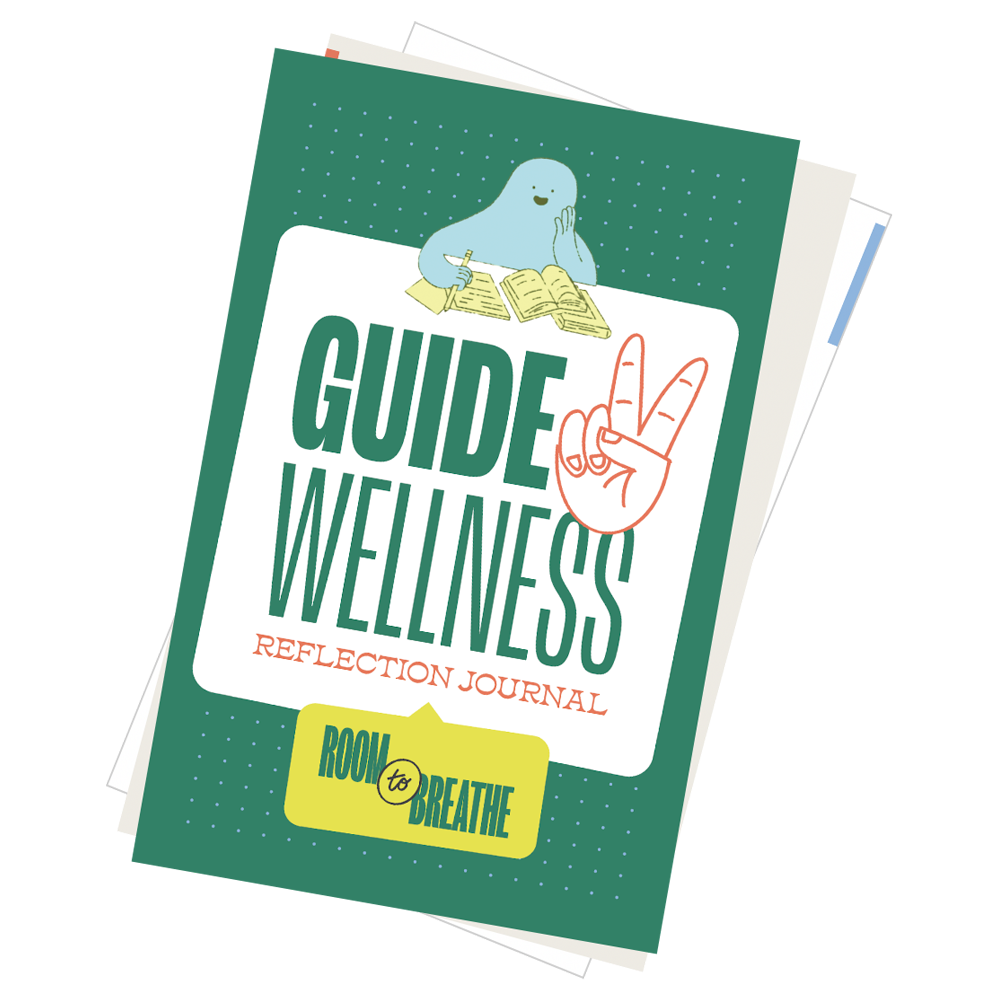
Guide to Wellness Reflection Journal
Youth often turn to vaping to cope with stress and anxiety. The Guide to Wellness Reflection Journal is designed to help young people reflect, plan, and breathe, especially when life feels overwhelming. The journal is divided into five chapters on reflection, growth, exploration, creativity, and rest – each focusing on different aspects of personal wellbeing and self-discovery.
Partners, schools, and community organizations are encouraged to print their own supply of journals to distribute to youth in their community. Upon request, the back cover of the journal may be customized with partner, school, or sponsor logos.
Learn more: Room to Breathe | Youth Counter-Marketing Campaigns
Escape the Vape Video Challenge
The Escape the Vape Video Challenge is an annual contest for Minnesota’s middle and high school students. Students are encouraged to create and submit 30-second PSAs on the dangers of vaping for a chance to win cash prizes for themselves and their school. Submissions are typically accepted in the winter, with public voting and winners announced in the spring.
This contest provides students with an opportunity to learn about the dangers of vaping as well as hone their video and media production skills. Schools are encouraged to include this project in their curriculum and to provide students with resources to complete their videos, such as props, space to plan and film, and access to their theater teacher or advisor.
Learn more: Escape the Vape Video Challenge | Youth Counter-Marketing Campaigns
1Up On Vaping™
1Up On Vaping gives middle school students tools to make healthy decisions about vaping and nicotine use. 1Up On Vaping combines graphic novel style animation, storytelling, and game technology to explore how and why using nicotine is never a good choice.
Learn more: 1Up On Vaping™
Science Take-Out classroom activity kits
Science Take-Out kits involve students in active learning. Students use science and engineering practices such as developing and using models, planning and carrying out investigations, analyzing and interpreting data, and constructing explanations and designing solutions.
- Activity Kit: Are Flavored E-cigarettes Harmful?
- Activity Kit: Nicotine Addiction: Breaking Up with My Vape
- Activity Kit: Nicotine Poisoning
- Activity Kit: Does Vaping Expose You to Toxic Chemicals?
- Activity Kit: Brain Reward Pathway and Addiction
Learn more: Science Take-Out
SmokeScreen: A smoking/vaping prevention video game
SmokeScreen addresses the range of challenges that young people face, with a dedicated focus on youth decision-making about smoking and vaping and includes strategies for both prevention and quitting.
Learn more: SmokeScreen
Change to Chill: Lessons for Youth | Allina Health
Find lessons and instructions to lead a series of trainings over time with a group of teens, giving them the tools they need to incorporate stress reduction and mindfulness practices into their lives in meaningful ways
Learn more: Change to Chill: Lessons for Youth | Allina Health
Know the risks: a presentation for youth | Centers for Disease Control and Prevention
A presentation to educate youth on vaping. This resource is intended for adults who educate or serve youth ages 11-18 (teachers, youth ministers, coaches, scout leaders, etc.)
Learn more: Know the risks: a presentation for youth | Centers for Disease Control and Prevention
More information on sacred tobacco
- Traditional Tobacco and American Indian Communities in Minnesota
- Walking Toward the Sacred: Our Great Lakes Tobacco Story | Great Lakes Inter Tribal Council, Inc.
- Sacred Willow Book | National Native Network
- Traditional Tobacco | Good Medicine Keepers
- Breath is Sacred: E Cigarettes Are Not Our Tradition video | American Indian Cancer Foundation
- Sacred Circle of Tobacco Manual | National Native Network - Keep It Sacred
- Reclaiming Sacred Tobacco in Minnesota's Indigenous Communities Documentary | TPT
- Change the Convo video | Indigenous Peoples Task Force
Promote quitting and treatment
All Minnesota teens and adults – whether they have health insurance or not – have access to free support to quit commercial tobacco. Using free support can help increase a person’s chance of successfully quitting.
My Life, My Quit™ helps Minnesota teens ages 13-17 quit vaping, smoking, or using other commercial tobacco and nicotine products.
Quit Partner™ helps Minnesota adults who want to quit smoking, vaping, or using chew or other commercial tobacco products.
The American Indian Quitline from Quit Partner™ is available for any Minnesota residents that identify as American Indian or Alaska Native.
For more free treatment options, see Get Help Quitting.
My Life, My Quit™ for students
My Life, My Quit™ is a program to help Minnesota teens ages 13-17 quit vaping, smoking, or using other commercial tobacco and nicotine products. My Life, My Quit™ is free and confidential, and teens can text, call, or chat with quit coaches online. Tips and tools are also available online.
Students can sign up on their own anytime by texting “Start My Quit” to 36072, visiting MyLifeMyQuit.com, or using the mobile app. The My Life, My Quit™ app is available for free from the major app stores and can be used to create an account or work alongside an existing text or web program.
How to refer students
School staff can refer student directly to My Life, My Quit™. A trained coach will reach out to the student within 24 hours to complete their enrollment. Students may be more likely to use My Life, My Quit™ if they are referred by a trusted adult.
Make a referral
- Let the student know you are concerned about their vaping and its impact on their health and academic performance. Tell them you want to support them in quitting and ask if they will sign up for the My Life, My Quit™ program. Be sure to mention it is free and confidential.
- If the student agrees, complete and submit an online referral form: My Life, My Quit™ Web Referral
- Once you submit the referral, someone from My Life, My Quit™ will contact the student within 24 hours and complete an enrollment. You will receive a confirmation email to let you know that My Life, My Quit received your referral.
If the student isn’t ready to enroll, provide them with information about My Life, My Quit™ and how to sign up. Let them know they have your support to help them quit.
Students can sign up on their own anytime by texting “Start My Quit” to 36072 or visiting MyLifeMyQuit.com.
Free promotional materials
Promote My Life, My Quit™ by distributing materials or displaying posters in common areas, school health offices, or classrooms. Promotional materials include My Life, My Quit™ posters, flyers, rack cards, and palm cards for students. Materials are available while supplies last.
Treatment referrals as an alternative to suspension
My Life, My Quit™ is a productive alternative to in- or out-of-school suspensions. My Life, My Quit™ coaches are specially trained to engage teens who have been referred for help by parents, educators, and the justice system and are required to complete a commercial tobacco treatment program as an alternative to punishment.
Learn more about Quit Partner™ for staff and parents
School staff and parents can model healthy behavior by not using commercial tobacco products themselves. Quit Partner helps Minnesota adults who want to quit smoking, vaping, or using chew or other commercial tobacco products. Quit Partner is free and confidential. Support includes one-on-one coaching, text and emails, and quit medication like nicotine patches, gum, or lozenges.
Call 1-800-QUIT-NOW (784-8669), visit quitpartnermn.com, or text "START" to 300500.
Free promotional materials
Promote Quit Partner™ by distributing materials or displaying posters in faculty or staff-only areas or during parent teacher conferences or events. Promotional materials include Quit Partner™ posters, flyers, rack cards, postcards, and palm cards for students and parents. A limited supply of pre-printed materials is available to order. Materials are available while supplies last.
Get free training on quitting and treatment
Free training is available for school staff to learn more about vaping, quitting, and how to promote programs to help people quit. Trainings are for anyone who serve people that might be vaping or using other commercial tobacco products, including school administrators, nurses, counselors, social workers, health teachers, school resource officers, athletic directors and coaches, and family or cultural liaisons. Continuing education credits may be available for some courses.
Learn more: Minnesota Tobacco Prevention QuitLogix® Training
Strengthen school policy
Strong policies play an important role in changing social norms around commercial tobacco use. Minnesota laws require both public and charter schools to be commercial tobacco-free. However, neither state nor federal law covers outdoor areas of school property or off-campus school events.
Commercial tobacco-free spaces are a proven way to prevent youth commercial tobacco use, protect students, faculty, and visitors from secondhand smoke, and create positive social norms. Minnesota schools have an opportunity to strengthen their policies and close this gap.
Avoid using vape detectors
Vape detectors are small, ceiling- or wall-mounted sensors – often resembling smoke detectors – designed to identify vaping or smoking in restricted areas like school bathrooms, locker rooms, and hallways.
Vape detectors often prioritize punitive surveillance over meaningful prevention. Schools should use caution when considering using vape detectors as they’re often unreliable; false positives and negatives can lead to unfair enforcement and a false sense of security – the "surveillance culture" created by these devices could also erode the trust between students and staff that is necessary for a healthy learning environment. The use of vape detectors may also worsen racial health inequities by disproportionately targeting certain student groups, leading to exclusionary disciplinary actions like suspensions.
Instead of investing funds into vape detectors, schools might instead focus on comprehensive, evidence-based strategies. These include student education, culturally tailored treatment programs, and supportive disciplinary practices that treat vaping as a health issue rather than a criminal one, ensuring that resources are used to foster long-term behavior change.
Integrating evidence-based treatment support
Effective school policies recognize that many students caught vaping are struggling with a chemical dependency on nicotine. Many programs exist to both educate students about the dangers of vaping, as well as provide treatment. By including these resources in student handbooks and disciplinary processes, schools move from a "policing" model to a "wellness" model. This approach not only helps students break the cycle of addiction but also improves long-term academic outcomes by keeping students in the classroom and providing them with the tools to manage stress without commercial tobacco products.
Implement alternatives to suspension
Commercial tobacco products, like cigarettes, vapes, and chew, contain nicotine, which is highly addictive. The tobacco industry spent decades intentionally and strategically marketing its products to young people. Once addicted, it can be extremely difficult to quit. This is why students may continue to use these products in schools despite policies that prohibit their use and possession.
The CDC recommends counseling and education as the most effective methods to help youth quit. Instead of using punitive measures like suspension, which can increase the risk of future drug use and other negative health outcomes, schools should offer evidence-based programs that support students in quitting. Programs like My Life, My Quit™ address the root cause of their behavior: nicotine dependence. This approach helps break the cycle of addiction without resorting to counterproductive punishments.
- Alternatives to School Suspensions for Use and Possession of Commercial Tobacco Products (PDF)
- Implementing My Life, My Quit as an Alternative to Suspension (PDF)
- Resources for Tobacco-Free and Vaping-Free Schools and Communities | Alliance for a Healthier Generation
- Student Commercial Tobacco Use in Schools: Alternative Measures | Public Health Law Center (PDF)
- INDEPTH: An Alternative to Teen Nicotine Suspension or Citation | American Lung Association
Ensure proper vape waste disposal
Confiscated vapes are hazardous waste and must never be placed in regular trash or recycling bins. These devices contain lithium-ion batteries, which are a fire hazard when damaged, as well as residual nicotine, which is toxic to both human health and the environment. Minnesota schools should store confiscated vapes in a secure, fire-resistant container. Staff should contact their local county environmental services department to arrange for free disposal through a designated Hazardous Waste Management facility or a specialized collection event.
- Safe disposal: Vaping Liquids, E-cigarettes, and Nicotine Wastes | Minnesota Pollution Control Agency (PDF)
- Tobacco Product Waste: A Toxic Challenge | Public Health Law Center
- Vape Waste Team Toolkit | Tobacco-Free Alliance (PDF)
A resource for schools and other organizations to engage youth in hosting vape waste disposal and education events in their communities.
Communicate to students, staff, and parents
Make sure students, faculty and staff, and parents have the information they need to comply with policies and support commercial tobacco prevention work for your school.
As students go back to school, parents, teachers, administrators, and coaches can help them make smart choices for their health, including avoiding e-cigarettes.
Communicating with students
- Make in-school announcements. Involve student groups or clubs in developing and delivering announcements about the school’s commercial tobacco free policies.
- Update the student handbook or codes of conduct. Include the full policy and its definitions and consequences as well as information about how students and their families can seek free help to quit.
- Ask students to pledge. Have students participating in sports or academic groups and clubs to sign a pledge to be drug- and commercial tobacco-free.
- Use peer-to-peer engagement. Ask student groups, clubs, or classes to help design posters, banners, and signs to hang throughout the school.
- Encourage quitting. Add information about My Life, My Quit™ to your school’s website and to student planners, calendars, and other resources distributed to students. See Promoting quitting and treatment.
- Extend youth-focused campaigns: Minnesota has multiple counter-marketing campaigns to raise awareness of the dangers of vaping, foster peer-to-peer engagement, and encourage young people to quit. Free materials are available to promote campaigns in your community. See Youth Counter-Marketing Campaigns.
Information for youth on the dangers of vaping
- Room to Breathe
- E-cigarettes and Vaping
- What You Should Know about E-cigarettes and Vaping | American Lung Association
Free posters, flyers, and other materials
- Youth Counter-Marketing Campaigns
- Tobacco Education Resource Library | U.S. Food and Drug Administration
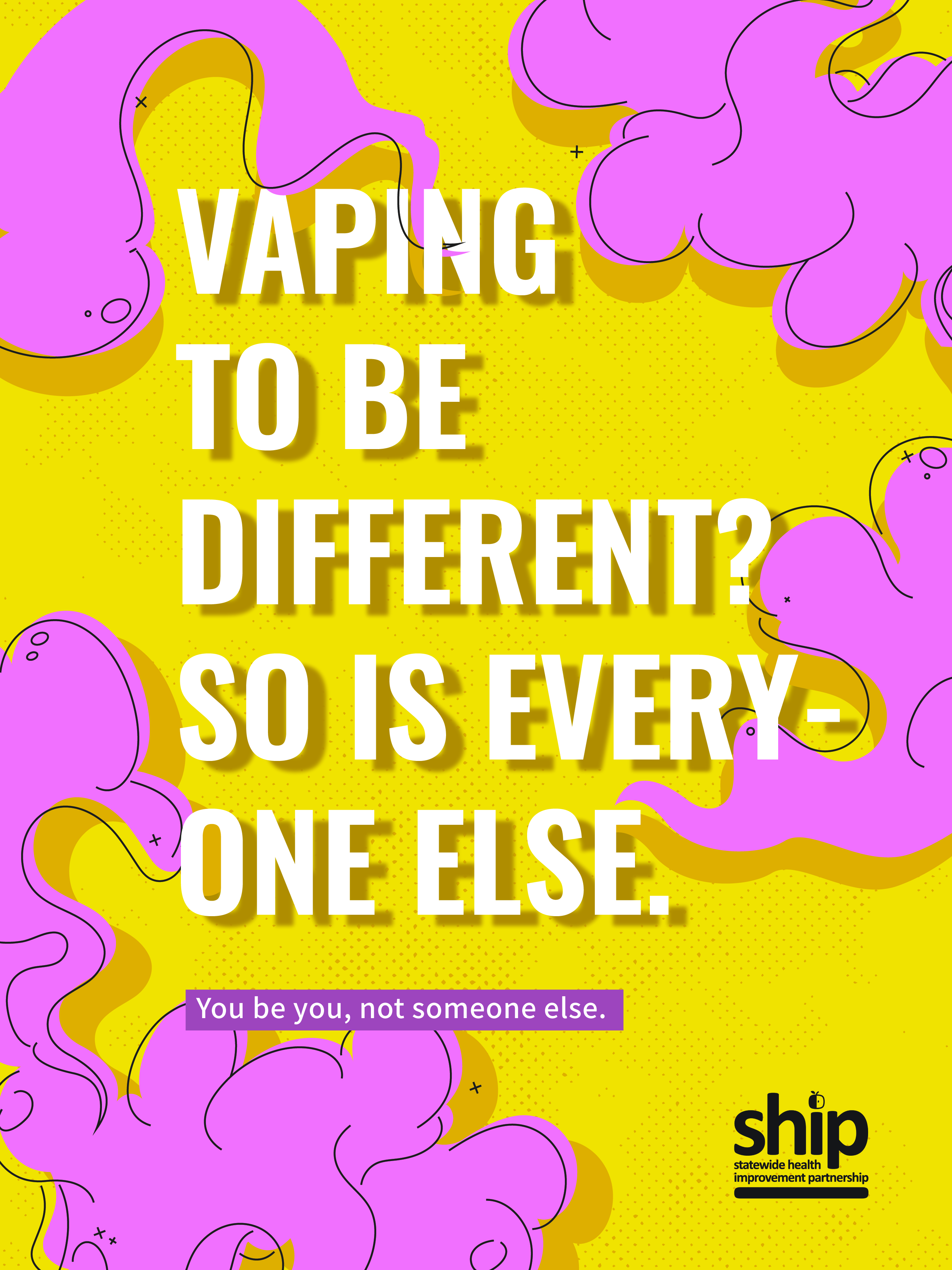
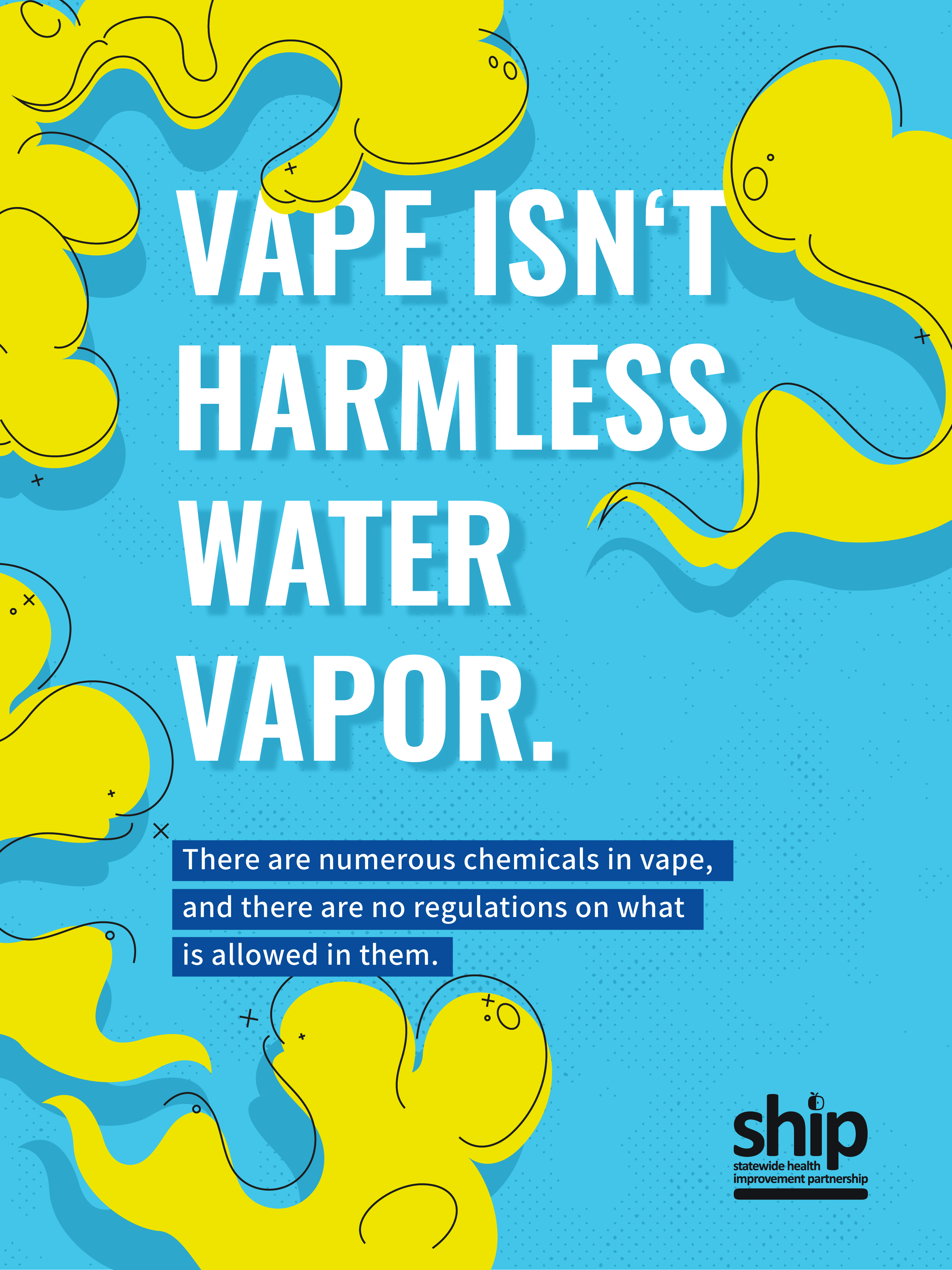
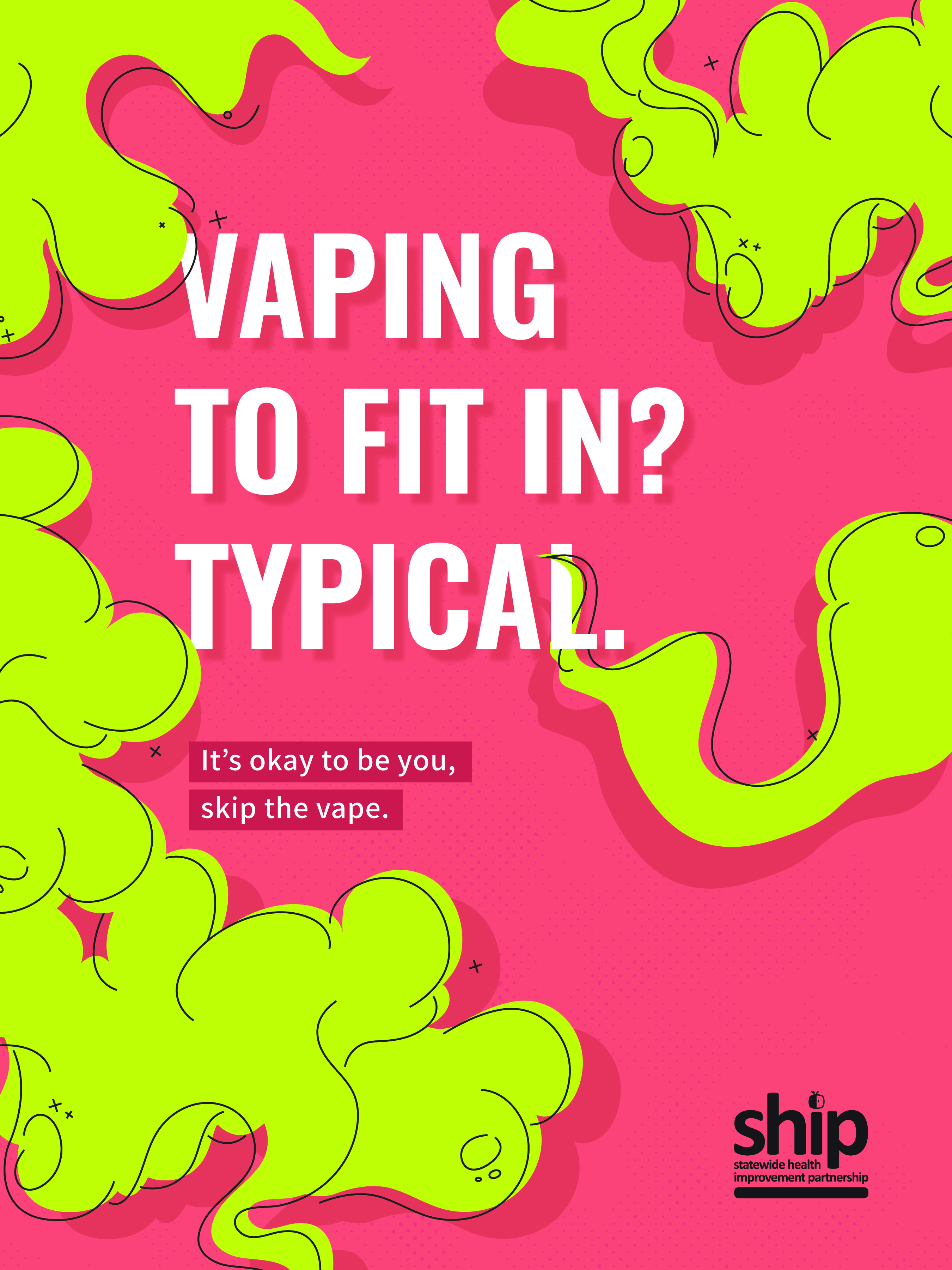
- Free posters developed by Hopkins One Voice Coalition, in partnership with Hennepin County and Community Blueprint, with input from a youth focus group from Hopkins High school.
Communicating with faculty and staff
Teachers and staff can be powerful role models for students. Seeing adults smoke, vape, or use commercial tobacco can normalize these products for students. Make sure faculty and staff also understand the risks of commercial tobacco use and encourage them to be commercial tobacco-free as well.
- Issue an official staff memo or email. Remind faculty and staff about your school’s commercial tobacco-free policies as well as resources to help them quit commercial tobacco.
- Hold an annual all-staff presentation or training. Include all teaching and non-teaching staff, bus drivers, aids, food and health service workers, and maintenance staff.
- Encourage quitting. Promote Quit Partner™ by posting materials in faculty lounges or other staff-only areas. See Promoting quitting and treatment.
Communicating with parents
Parents and caregivers play a crucial role in preventing youth vaping by setting a good example, having open conversations, and creating a commercial tobacco-free environment at home. When communicating with parents, avoid shaming and instead provide support and resources.
- Prioritize cultural competency. Make efforts to ensure resources and communications are available in languages other than English, especially Spanish, Hmong, and Somali. Practice cultural sensitivity when communicating with parents and consider providing cultural competence training to staff. See What is Cultural Competence and How to Develop It? | PennState Extension and Cultural Competence | National Education Association).
- Host parent information sessions. Partner with local public health and other organizations to present the facts on commercial tobacco use, the health consequences youth growth and development and addiction, and how parents can support their students in being commercial tobacco-free.
- Include information in newsletters or emails to parents. Share information about your school policies, the risks of smoking, vaping, or using other commercial tobacco, and free tools to help their student quit.
- Send advisory letters to parents. Letters can be sent to all parents and guardians notifying them of the school’s commercial tobacco-free policy, including background information on why the policy is necessary, and an outline of consequences for policy violations. Consider have letters ready to notify parents of any policy violations.
- Promote Quit Partner™ to help parents who are looking for resources to quit. See Promoting quitting and treatment.
- Share resources to help parents talk to their kids.
Information on the dangers of vaping
- E-cigarettes and Vaping
- E-cigarettes and Youth: What Parents Need to Know | Centers for Disease Control and Prevention (PDF)
- What You Should Know about E-cigarettes and Vaping | American Lung Association
- Parents and Educators | National Institute on Drug Abuse
Information on talking to teens
- Vaping Conversation Guide | American Lung Association
- How to Talk to Your Kids about Vaping | American Lung Association (PDF)
- Vaping: What Families Need to Know to Help Protect Children, Teens and Young Adults | Partnership to End Addiction (PDF)
- Talk to Your Child about Vaping | American Lung Association
- Report to Parents: Talking to Kids about Vaping | National Association of Elementary School Principals (PDF)